

This morning, I took our young dog, Kelso, for a walk.
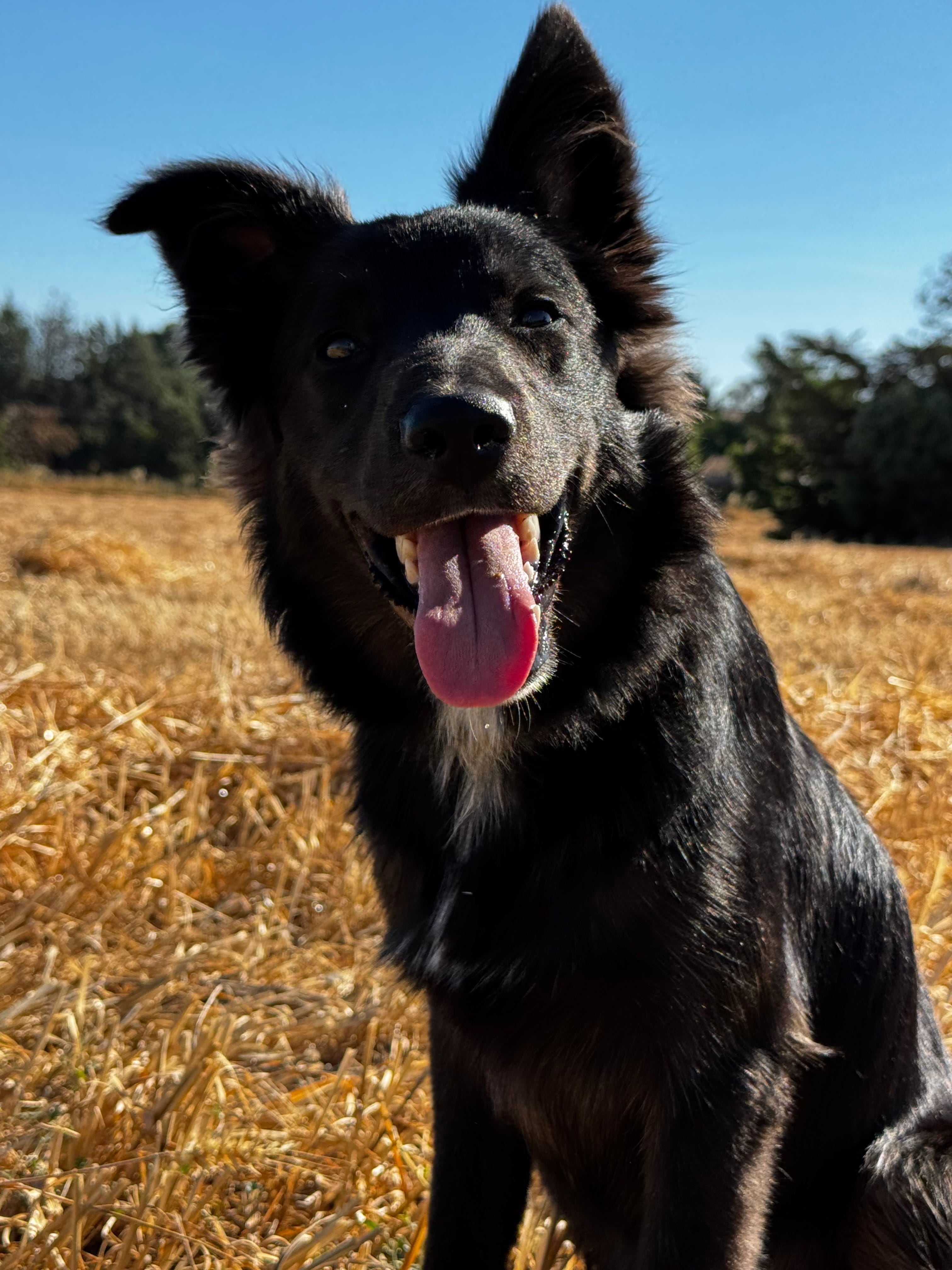
Kelso is our young rescue dog, and one of the unexpected joys of this year has been watching him discover the world. He's growing remarkably quickly. The tiny puppy who approached everything with cautious curiosity has become a confident young dog, full of energy, enthusiasm and just enough mischief to keep every walk interesting.
As we wandered through the countryside near our home in southern France, I noticed something else had changed.
The wheat and barley fields have all been harvested.
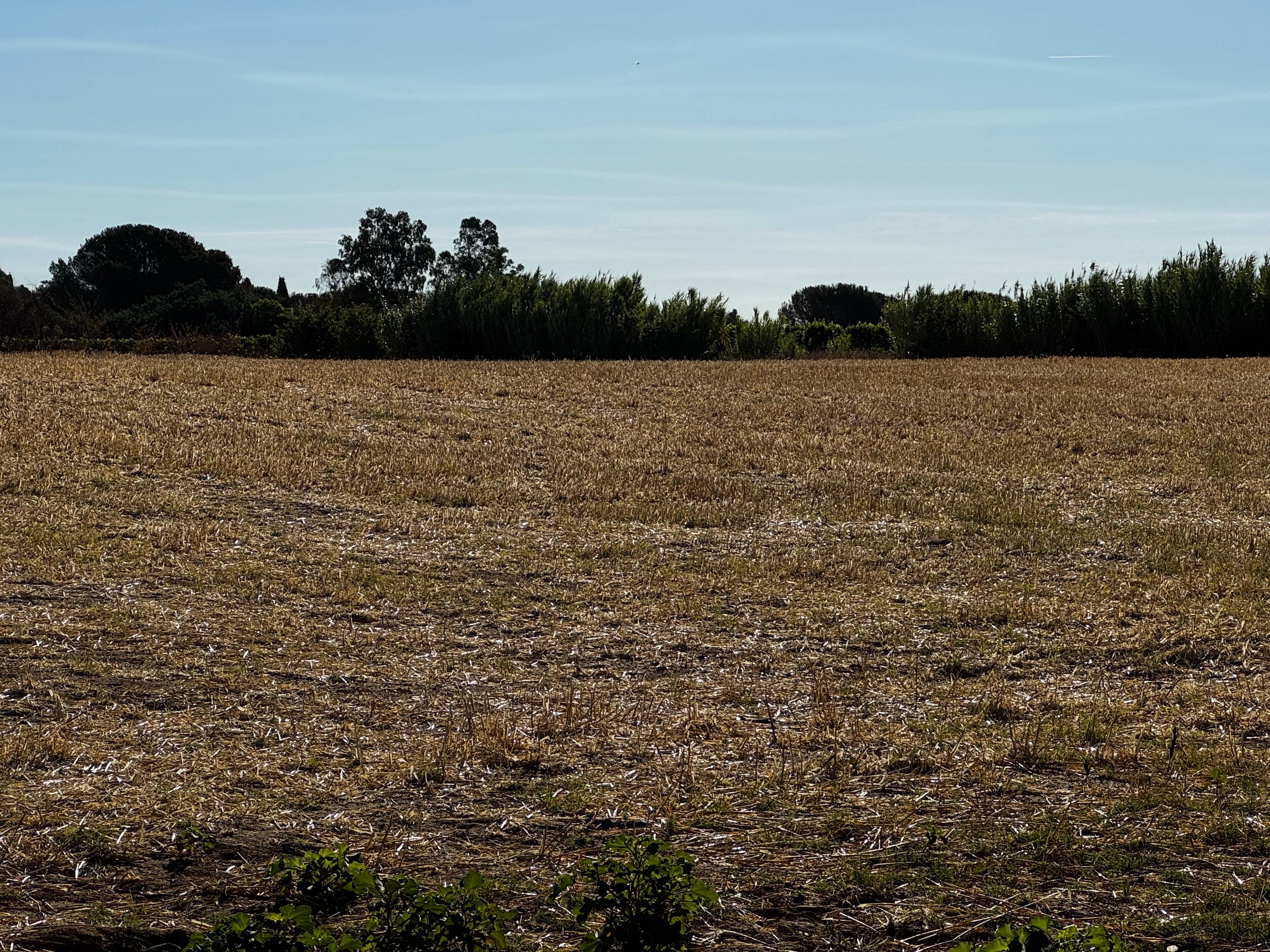
Only a couple of weeks ago they were full of life, their golden heads swaying in the breeze beneath an endless blue sky. Today they looked completely different. The combines have finished their work, the grain has been gathered, and only the stubble remains stretching across the landscape.
After the intense heatwave that has affected much of Europe, the cooler morning air felt refreshing. Everything seemed calmer, almost as though the countryside itself was enjoying a well-earned pause.
Standing there, looking across those fields, I found myself thinking about harvest.
For most of us, harvest represents an ending. The crop has been gathered. The field is empty. The work is complete.
But agriculture tells a different story.
A harvested field isn’t a failed field. It’s a successful one.
Everything that happened before—the planting, the waiting, the uncertainty, the care invested throughout the growing season—was leading to this moment. The empty field isn’t evidence that nothing remains. It’s evidence that the purpose has been fulfilled.
I wonder how often leadership follows the same pattern.
Much of leadership is spent investing in things whose value cannot be measured immediately. We encourage people, develop teams, share experience, create opportunities and patiently watch others grow. Often the results are almost invisible while they’re happening.
Then one day someone you’ve mentored steps into a leadership role of their own. A team you’ve helped build succeeds without you. A project you’ve spent years shaping is handed over to someone else.
For a brief moment, it can feel as though something has been taken away.
In reality, it may simply be harvest.
Perhaps one of the greatest tests of leadership is recognising that the goal was never to keep everything for ourselves. Healthy leadership was always intended to produce something that continues beyond our own involvement.
The grain leaves the field.
Some becomes food.
Some becomes seed for another harvest.
Either way, its purpose extends far beyond the place where it first grew.
I suspect our influence is much the same.
Very few of us will ever fully understand the impact we’ve had on other people’s lives. A conversation we barely remember may become someone else’s turning point. A piece of encouragement offered almost in passing might provide the confidence someone needed to take their next step.
Leadership has a remarkable way of multiplying itself long after we’ve moved on.
As Kelso happily explored every new scent the harvested fields had to offer, completely unconcerned with any of these reflections, I smiled at the contrast. Dogs have an extraordinary ability to enjoy the season they’re in. They don’t spend time wishing for spring while standing in summer, or worrying about autumn before it arrives.
There’s wisdom in that.
Every season has its purpose. Some seasons are for planting. Some are for nurturing. Some are for harvesting.
And some are simply for appreciating what has been accomplished before preparing the ground for whatever comes next.
Looking across those fields this morning, I wasn’t looking at an ending.
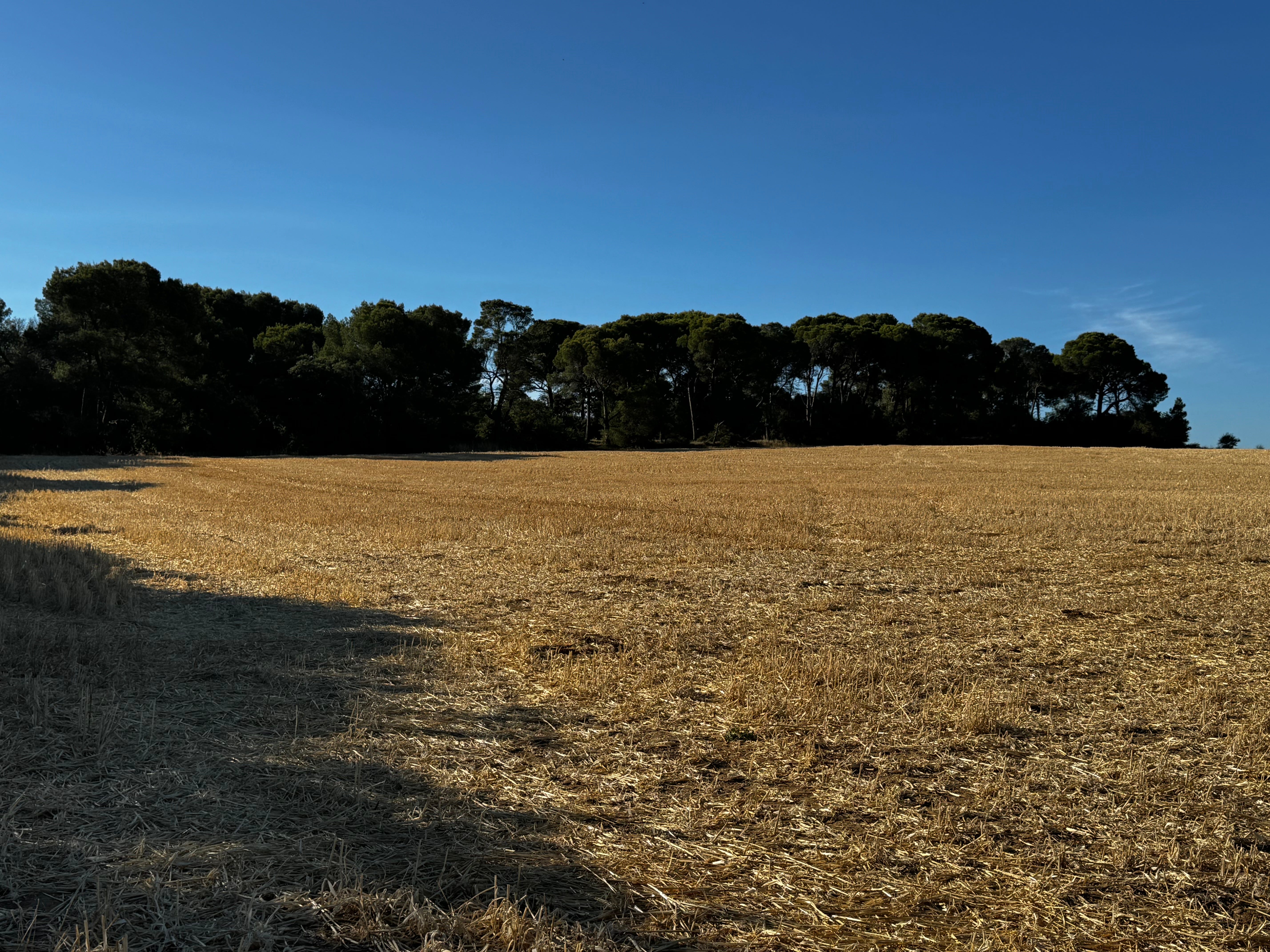
I was looking at a landscape that had fulfilled its purpose and was quietly preparing for another season of growth.
Perhaps that’s what hope often looks like—not standing in the middle of abundance, but recognising that even after the harvest, the story isn’t over.