

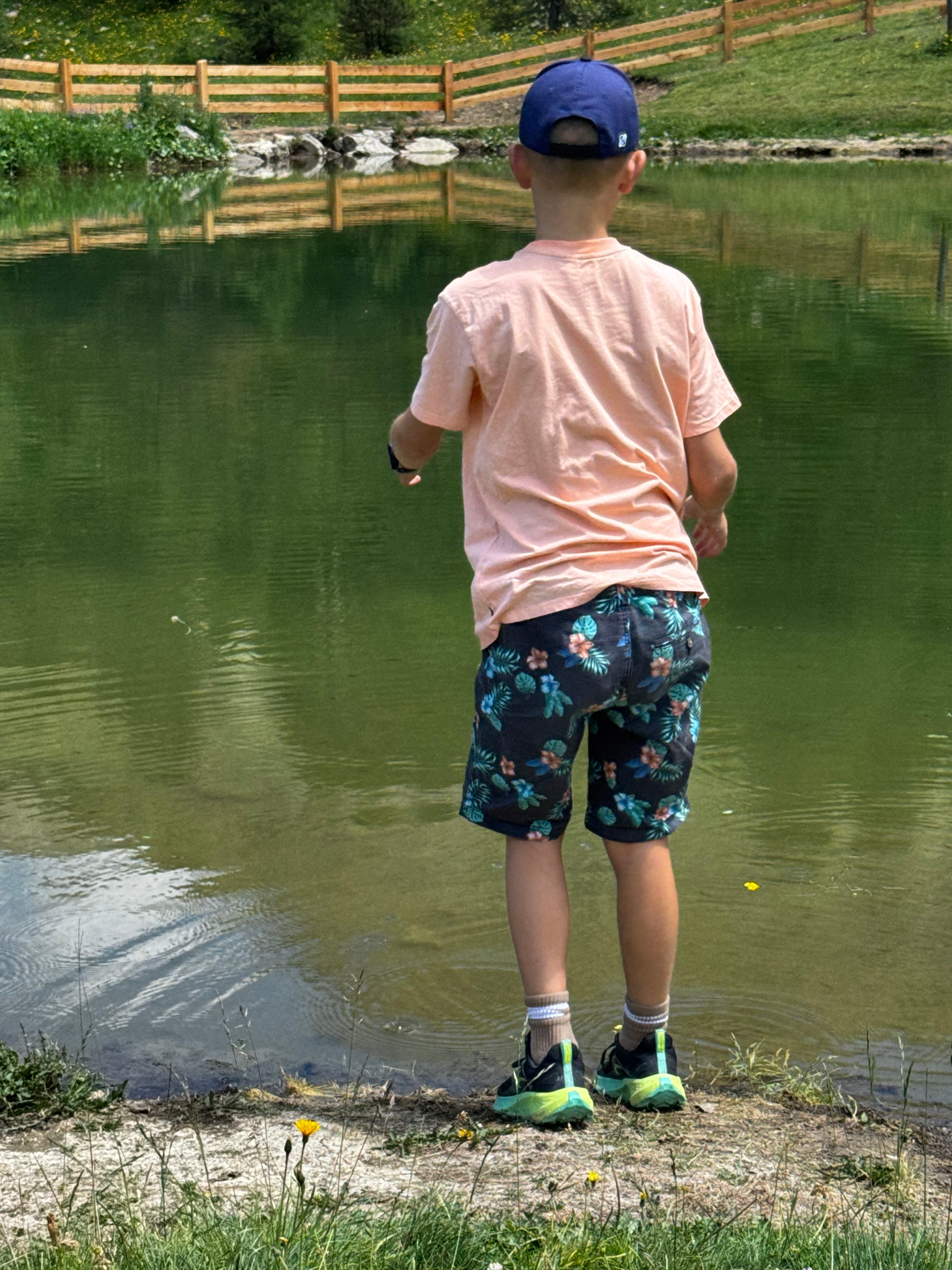
Yesterday we hiked down from the mountains above Les Orres in the French Alps. After two ski lifts to the summit, we spent the afternoon making our way through alpine meadows, forests and rocky trails before reaching a beautiful mountain lake.
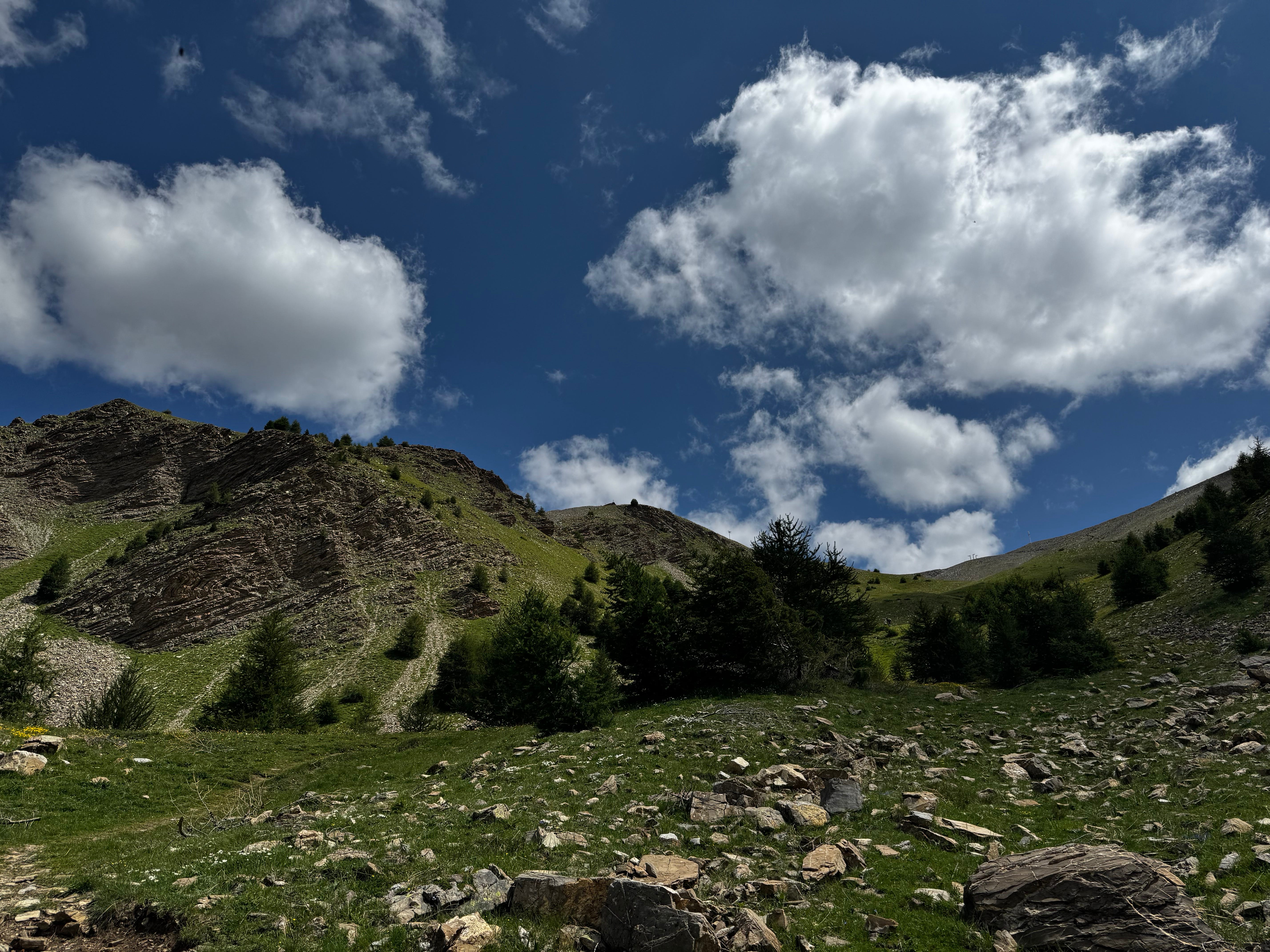
The scenery was breathtaking. Every turn revealed another view that seemed even more spectacular than the last.
But while most of us were taking in the landscape, Declan had something else on his mind.
Every time we crossed a stream, he stopped.
He wanted to know where it came from.
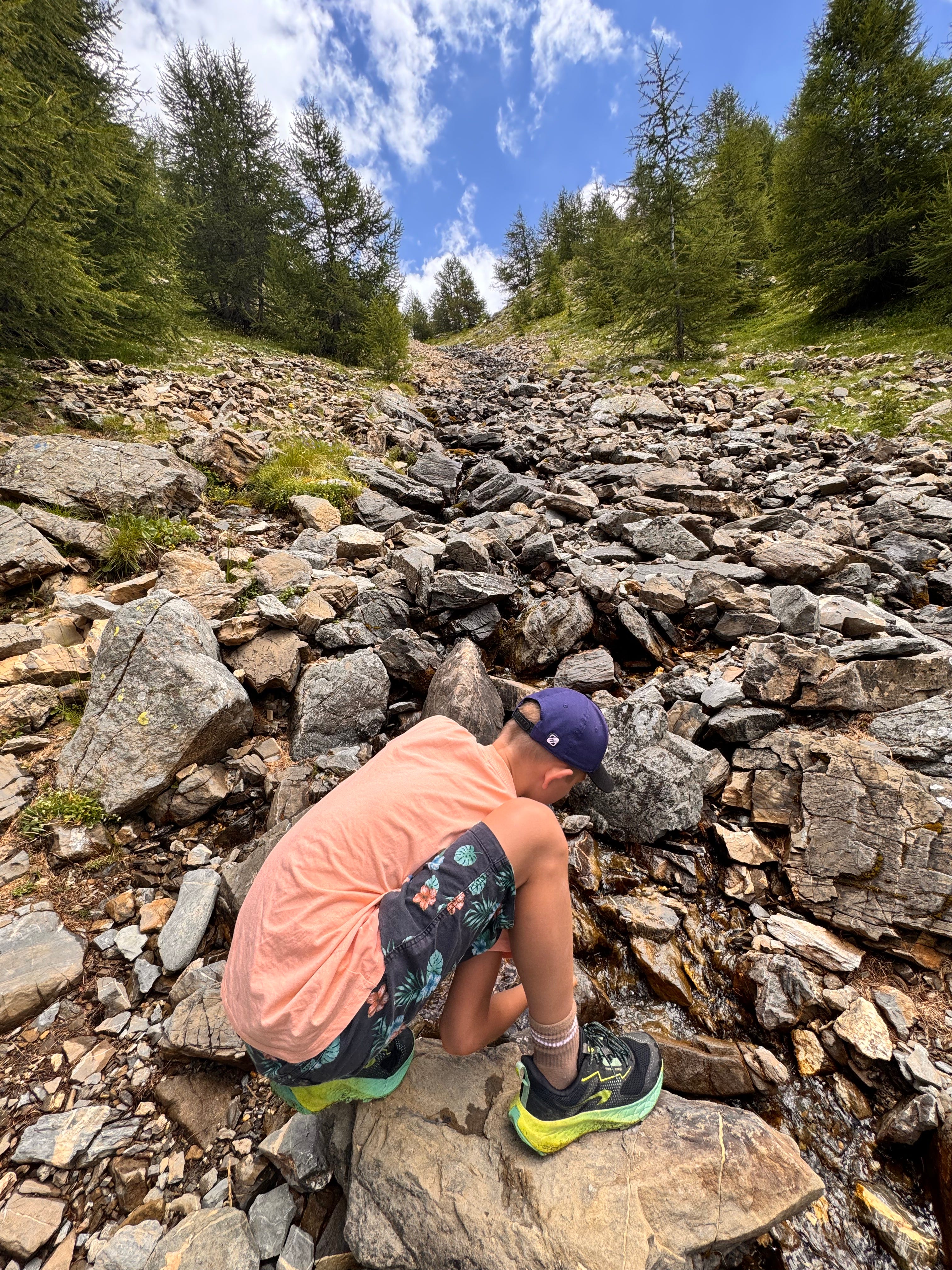
He crouched beside the water, watching it weave its way around rocks and roots. He tested the temperature with his hands, looked for algae, examined how clear the water was and, every now and then, took a cautious sip in search of the freshest mountain water he could find.
He wasn’t satisfied with simply seeing the stream.
He wanted to understand it.
As I watched him, another leadership lesson quietly emerged.
Somewhere between childhood and adulthood, many of us stop asking questions.
Perhaps we’ve been told there are no stupid questions, yet we’ve all experienced the fear of asking one. We don’t want to appear inexperienced. We don’t want people to think we should already know the answer. We worry that speaking up might expose what we don’t know.
So we stay quiet.
Ironically, the very thing we’re trying to protect—our reputation—can become the biggest obstacle to our growth.
Children don’t have that problem.
They ask why the sky is blue.
Why birds migrate.
Why rivers flow.
Where streams begin.
They ask because they’re curious. Learning matters more than looking clever.
I wonder how much innovation has been lost because someone chose not to ask the question they were thinking.
Looking back over my own career, I realise curiosity has probably been one of my greatest strengths.
When I joined Agronomix nearly two decades ago, I wasn’t a plant breeder. I wasn’t the expert in genetics, statistics or crop science. I could have spent years trying to look as though I understood everything.
Instead, I asked questions.
Lots of them.
Sometimes Dieter would smile and say, “We’ve tried that before.”
I’d reply, “Yes… but have you tried it this way?”
Not because I thought I knew better, but because I genuinely wanted to understand. Sometimes the answer was, “No, that won’t work.” Other times, those conversations opened the door to a better solution.
I’ve come to believe that’s one of the greatest gifts a leader can bring.
Curiosity.
Not the curiosity that questions everything for the sake of it, but the curiosity that genuinely wants to understand.
Why does this process exist?
Why are our customers frustrated?
Why is this team succeeding?
Why isn’t that one?
What problem are we actually trying to solve?
The best leaders I’ve known aren’t afraid to admit they don’t know something.
In fact, they seem remarkably comfortable saying, “Help me understand.”
That’s not weakness.
That’s confidence.
Secure leaders don’t need to pretend they have all the answers because they know their value isn’t found in knowing everything. It’s found in creating environments where better questions lead to better answers.
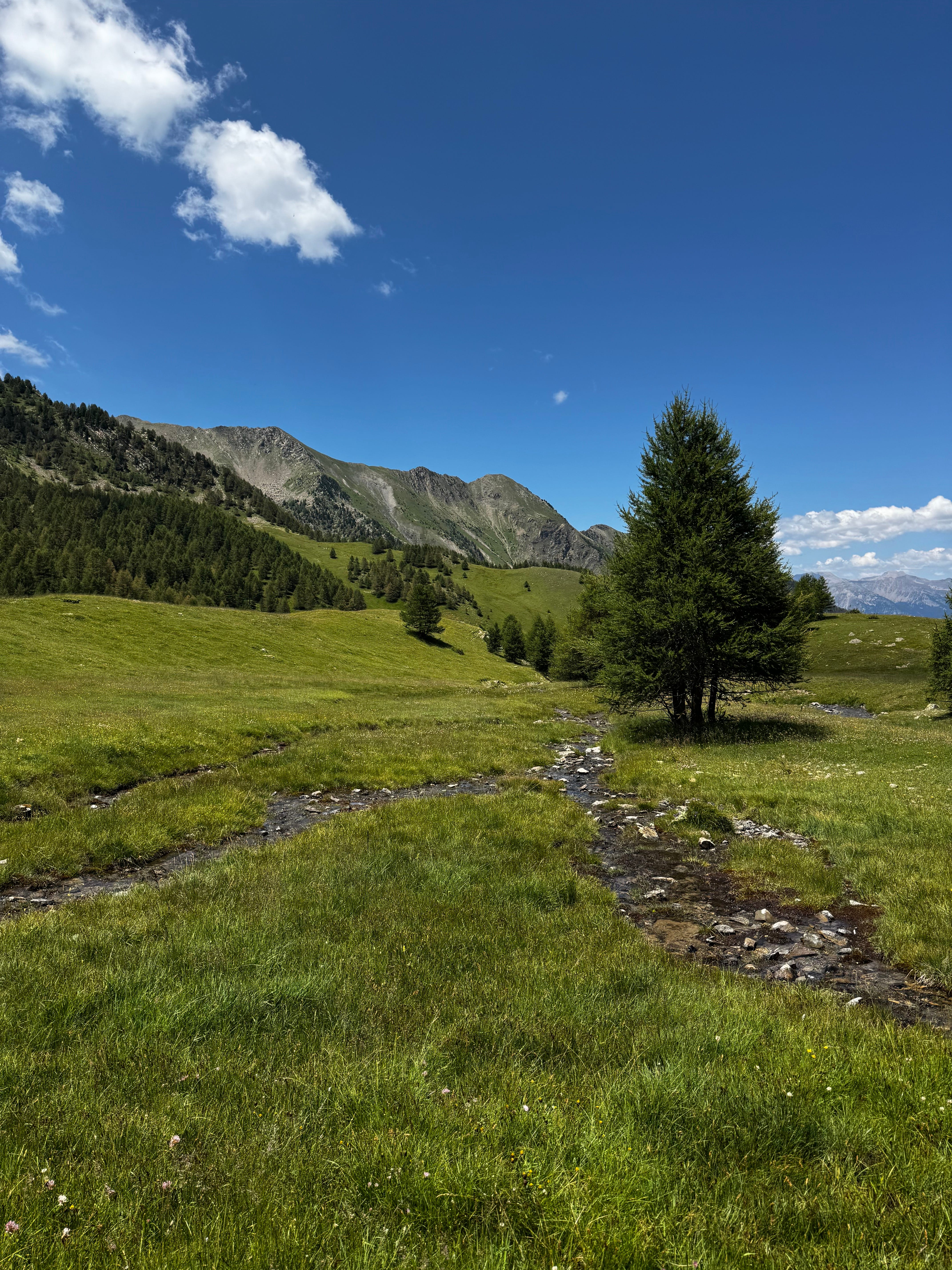
As we continued our hike, Declan never stopped looking at the streams.
Each one was different.
Some flowed quickly over smooth rocks. Others meandered quietly through the grass. Some were icy cold. Others had collected tiny fragments of earth or algae. Every stream became another opportunity to learn something new.
Perhaps that’s the mindset we should never lose.
Not just seeing what’s in front of us, but asking where it came from.
Not accepting the obvious answer, but looking upstream.
Not being afraid to ask one more question.
Children instinctively follow the stream to its source.
Maybe great leaders do too.