

Friday evening we were back at the Stade Raoul-Barrière, and this time it was a little different for our family. My son, who plays for AS Béziers Hérault’s under-12s, had been selected to be one of the ball boys for the match. While he enjoyed watching from the edge of the pitch, I watched from the grandstand as Béziers took on Dax.

The first 40 minutes brought reason for optimism. Béziers scored their first try as the clock turned to three-minutes played. Their possession was noticeably higher than their opponents, they spent much of the first half in Dax’s territory and went into the break leading 12–0. Yet something wasn’t working quite right. Despite controlling much of the game, Béziers struggled to break through the opposition’s defensive line. There was significant activity, plenty of effort, but relatively little reward.
As I watched, a thought occurred to me. Possession isn’t the same as progress.
It’s a distinction that matters just as much in business as it does in rugby. An organisation can have talented people, substantial resources, a strong market position and a calendar full of meetings. Everyone can be working hard, apparently moving in the right direction. But are they actually getting anywhere?
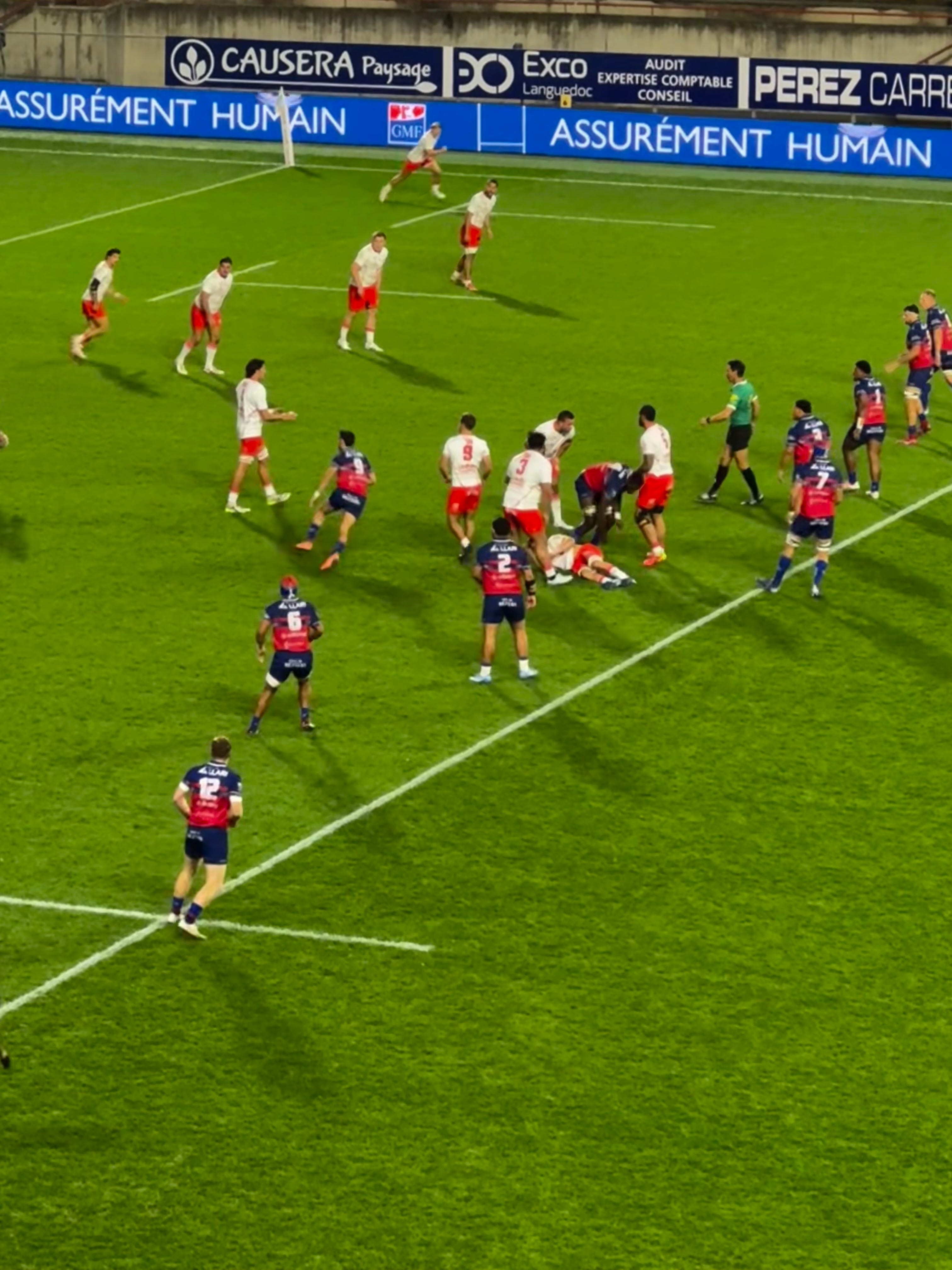
The second half made that question even more uncomfortable. Béziers continued to enjoy significant possession, but the performance deteriorated. Mistakes accumulated, discipline suffered and two players were sent from the field. By the final whistle, Dax had overturned the deficit to win 17–12.
Perhaps most frustratingly, Béziers had left at least eight points on the pitch through missed conversions and penalties. They hadn’t lacked opportunities nor had they lacked effort either. Even in the closing minutes, with Dax pressing for the decisive score, the players continued fighting. But effort alone wasn’t enough.
Afterwards, Béziers captain William Van Bost spoke of a feeling of shame at the team’s second-half performance. It was a remarkably candid assessment, and one that suggested the players recognised the scale of their disappointment.
Watching it unfold, I couldn’t help thinking about the responsibilities of leadership. Having the right people and resources is only the beginning. Leadership must give those resources direction, help people work effectively together and recognise when something needs to change.
Additionally, when things begin to unravel response matters enormously. Do we ask everyone to work harder? Do we continue with the same approach, believing persistence will eventually produce results? Or do we recognise that something fundamental needs attention?
There’s another uncomfortable dimension to Béziers’ season. With disappointing results continuing, it’s tempting to find reassurance in the fact that another team is struggling even more. But there’s a danger in that thinking. In business, too, we can gradually lower our expectations until merely avoiding the worst outcome starts to feel like success.
Survival matters, of course. Sometimes it’s the immediate priority. But it shouldn’t become a substitute for ambition, improvement or honest reflection.
Leaving the stadium I wasn’t questioning whether the players cared. Their determination was evident from the first to the final minute. I was questioning whether something meaningful will eventually come from all that effort.
Perhaps that is the leadership lesson from a frustrating Friday evening match result.
Possession creates opportunity. Effort demonstrates commitment. But leadership must help turn both into progress.
Are we leading our teams towards success, or have we quietly become satisfied with avoiding failure?