

At a recent Béziers home match, I found myself watching the players who didn’t have the ball almost as much as the player who did.

There had been a noticeable improvement in discipline from the previous matches. The team looked more settled and more organised, and it was paying off. But something else kept catching my attention. A player would receive the ball, make progress and then look for the next pass, only to find that the support he needed wasn’t there.
It’s one of those things that seems obvious once you notice it. A player can make a great run, but sooner or later he needs somewhere to go with the ball. On several occasions that evening, there simply wasn’t anyone there.
The player carrying the ball may be the most visible person in the move, but he can only do so much on his own. Someone has to anticipate where the play is going, move with him and put themselves in a position to help.
And it made me think about leadership transitions.
Giving someone the ball
We use phrases like handing over responsibility quite easily in organisations. Someone is promoted, a leader moves on, responsibility for a project changes hands or a successor takes over a business. We make the announcement, change the job title, perhaps have a few handover meetings, and the ball has officially been passed.
But passing the ball isn’t really the end of the move.
Watch a good rugby player after making a pass and they don’t normally stop running. They keep moving with the play. They may no longer have the ball, and they certainly shouldn’t be trying to take it straight back, but they remain available. If the new ball carrier encounters trouble, changes direction or simply needs another option, the person who made the pass can still be part of what happens next.
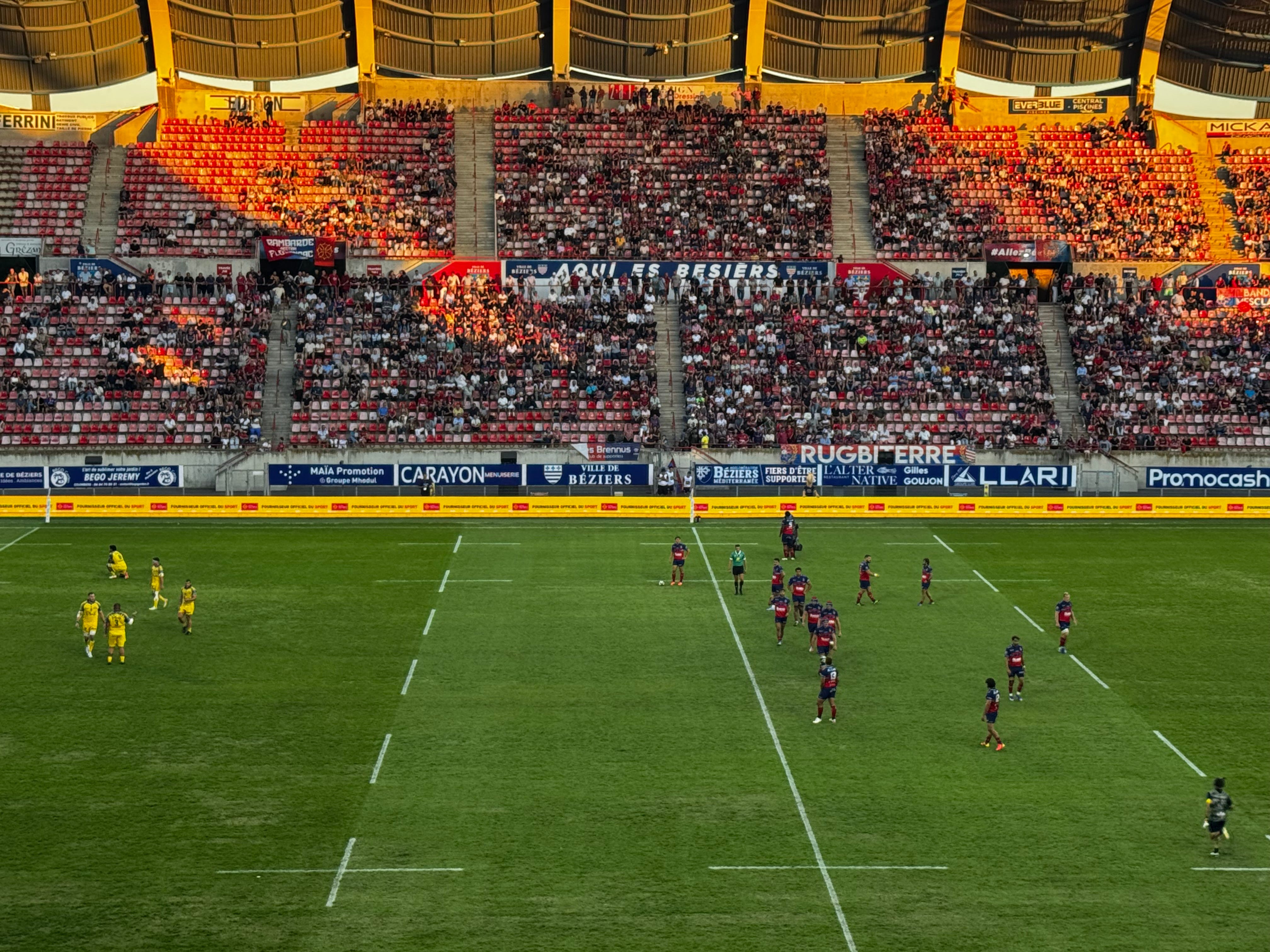
I think there is something in that for leadership.
Of course, the whole point of handing something over is that responsibility really does move. The new leader needs space to make decisions, develop their own judgement and probably do some things differently. Staying close shouldn’t mean hovering over them or waiting to take the ball back.
But there’s a balance here that I think matters:
Stay close enough to support. Step far enough away to let them lead.
Getting that distance right may be one of the hardest parts of succession.
More than responsibility changes hands
When someone takes over a leadership role, they’re taking on much more than what’s written in the job description. There are decisions made months or years earlier, relationships and expectations that have built up over time, conversations that were never documented and probably a few promises that weren’t either. There will be people with different histories and motivations, customers who remember previous conversations, and strategies that make considerably more sense when you understand why they were chosen in the first place.
In other words, they’re receiving the ball halfway through the play.
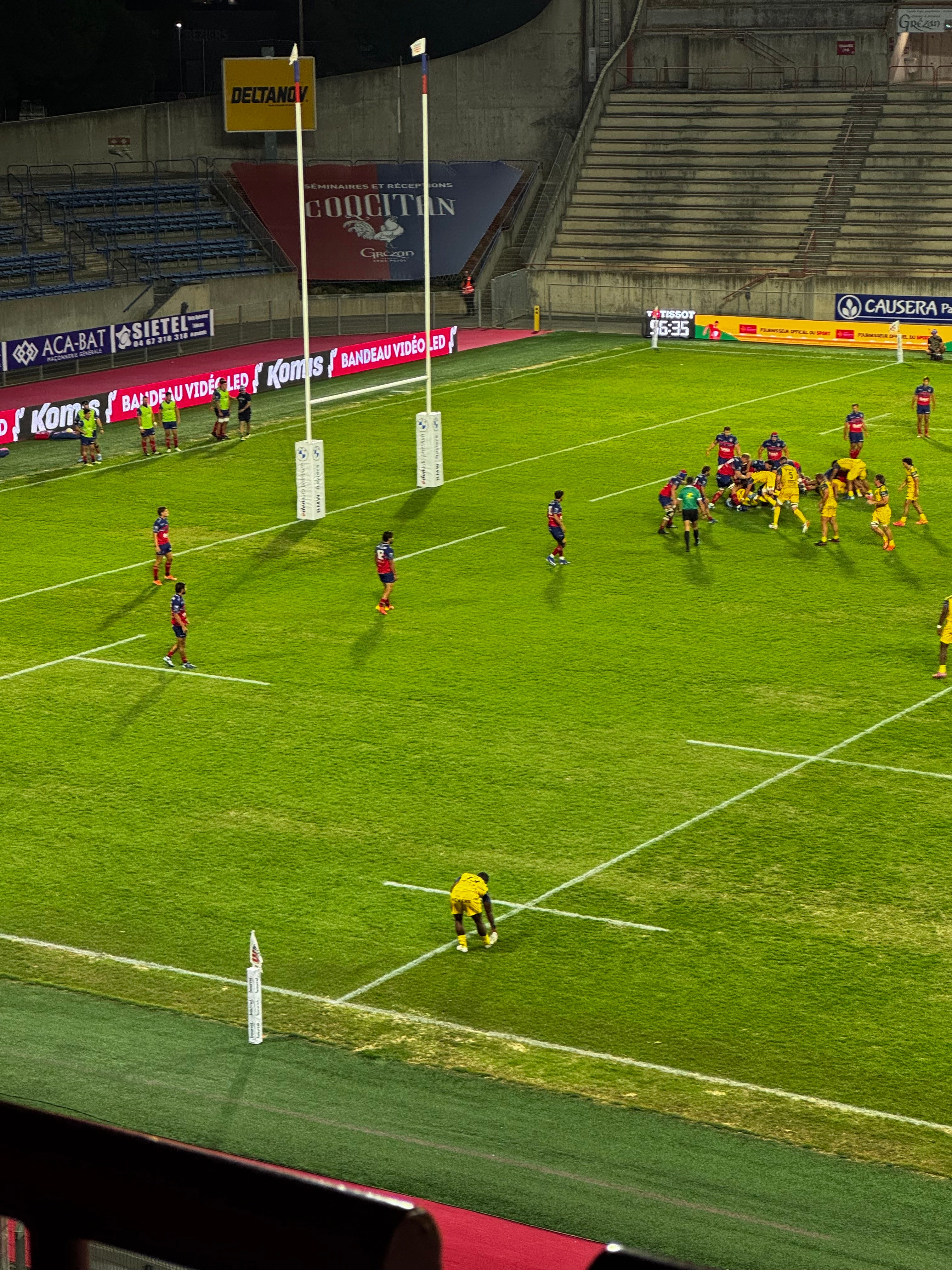
They can see what’s immediately in front of them, but they haven’t necessarily seen everything that led to that moment.
That’s why I think a successful handover transfers more than responsibility. It transfers context.
Context doesn’t mean telling the new leader what they must do. They may see something the previous leader missed. The situation may have changed, an opportunity may have opened somewhere else, or they may simply have a better idea. Once they have the ball, they need the freedom to read what is happening and make their own decisions.
But knowing what the previous leader had seen can help them understand why things developed as they did.
There’s a big difference between saying, “This is what I was trying to do and why,” and saying, “This is what you need to do next.”
The first gives someone context. The second risks continuing to lead after you’ve supposedly handed over.
When the passer leaves the pitch
Of course, leadership transitions don’t always happen neatly.
Sometimes there is plenty of time to prepare. A successor is identified, knowledge is shared and relationships gradually transfer. The previous leader can make the pass and continue running alongside for a while, becoming less important to the play as the new leader finds their feet.
Sometimes the passer unexpectedly leaves the pitch.
That can happen for all sorts of reasons. A leader leaves sooner than expected, someone becomes unavailable, an organisation restructures or circumstances simply change. Suddenly the person who has received the ball is carrying it without the support they might reasonably have expected to have around them.
That’s where succession planning becomes much more than choosing who gets the job next.
If too much context exists only in one person’s head, the organisation is vulnerable. The same is true if key relationships belong to an individual rather than the organisation, or if nobody else really understands why certain decisions were made, what commitments have been given or where things were supposed to be heading. Handing somebody the ball doesn’t necessarily prepare them to carry it.
And I don’t think that’s particularly fair on the person receiving it.
I think we can also be too quick to judge a new leader. I’ve probably done it myself. We see them make a decision we wouldn’t have made, or take something in a different direction, and wonder why. But perhaps a fairer question is how much context they were actually given before the ball arrived in their hands.
Staying nearby without taking over
I can imagine the other side is difficult too. If you’ve led something for years, invested a huge amount of yourself in it and know much of its history almost instinctively, watching somebody else do things differently can’t always be easy. You can probably see mistakes coming because you’ve already made some of them yourself.
The temptation to reach for the ball again must be considerable.
But support can become interference surprisingly quickly. If the new leader has to keep looking over their shoulder to see whether their predecessor approves, they haven’t really been given responsibility. If every decision is corrected, every mistake prevented and every different approach is quietly redirected back towards the way we used to do it, the handover may have happened on paper without ever really happening in practice.
Perhaps the better approach is simply to remain available. Share the context, answer questions, make the introductions that matter and explain some of the thinking that was never written down. Then give the other person enough room to actually lead.
They may take the play somewhere different.
That’s rather the point.
The players without the ball
Back at the rugby, I kept noticing those moments when the ball carrier looked for support and couldn’t find it.
It reminded me that we naturally watch the person with the ball. They’re the one making the run, taking the hit and making the visible decisions. But successful teams depend just as much on what everyone else is doing around them.
The same is true of leadership.
Sometimes the most useful thing you can do isn’t to carry the ball yourself, but to make sure the person who now carries it doesn’t have to carry it alone. Sometimes that means running alongside for a while, sharing what you know and making sure other people are in a position to help too. Eventually, though, you have to recognise that the play no longer belongs to you.
Stay close enough to support. Step far enough away to let them lead.
Passing the ball is only part of a good handover. What really matters is whether you’ve given the person receiving it enough support and context to decide what to do next.